


Head’s Blog: Tending to a sense of belonging
9th October 26

Having received our highest GCSE exam outcomes on record this summer, we – along with schools around the country – have been reflecting on students’ outcomes, thinking deeply about lessons learned. Typically, this might involve looking at the quality of teaching, classroom approaches, academic support plans, mentoring and other subject-based intervention strategies.
However, we have also been considering a fascinating report, published by the Department for Education the day before GCSE results, which highlights the relationship between school belonging and the attainment of 16-year-olds in England.
Finding our place
The idea of ‘belonging’ is something that has really caught the public consciousness: as traditional circles of belonging, such as religious institutions, extended family and other such things, have arguably become less well-established in this country, there have been existential questions asked about where we can find our place to belong. For some, this might come through affiliation with sports teams, musicians and artists; for others, this might be through the hobbies in which they partake. However, for increasing groups of young people, we are seeing this sense of belonging primarily achieved through their schools.
In his most recent book A Very British Childhood, acclaimed writer Frank Cottrell-Boyce considers the way in which modern children look forward to their summer holidays not with the excitement and anticipation of generations past, but with a sense of fear and anxiety. He argues this is because increasing numbers of young people feel safe, feel that sense of belonging, at their schools more than anywhere else.

Why does belonging at school matter?
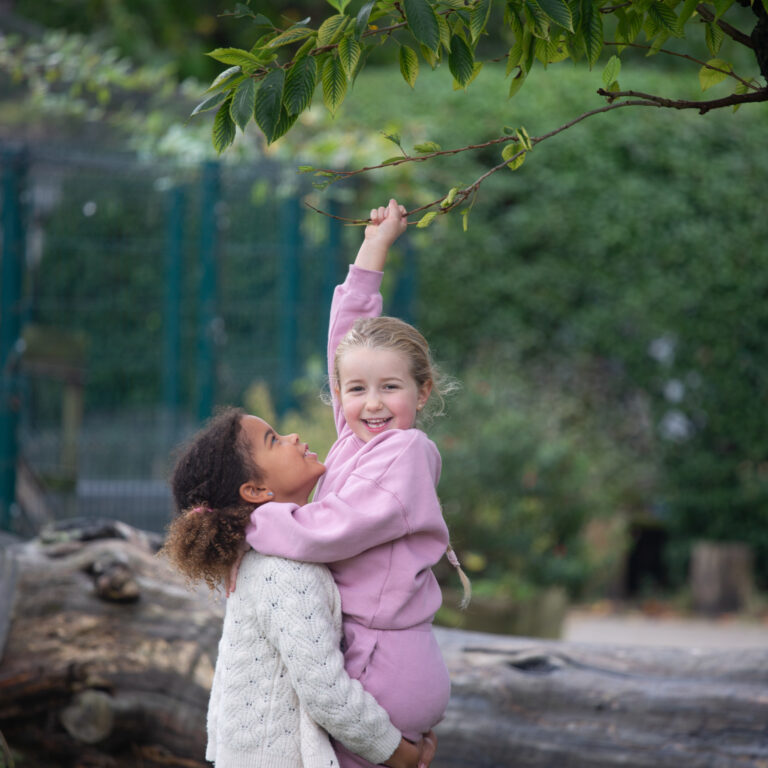
But what do we mean by belonging? Academic and author Brene Brown tells us that ‘the opposite of belonging is to fit in. Belonging means being accepted for who you are.’ Self-determination theory tells us that belonging is the experience of being connected to, cared for and valued by others. Children who belong to a community are children who feel safe and who feel they can be themselves. At The King Alfred School, we talk about the children feeling seen, known and understood for all that they are and all that they can be. We know that, if children feel this, they are more likely to be happy, to enjoy school and to feel more settled in later life.
What we had always believed, and what the report confirms, is that this belonging leads to a ‘profound shift’ in academic attainment. Whilst there is a fair bit to unpack in the report, the broad headline is that children who feel they belong to their school can attain a full extra GCSE grade across eight different subjects when compared to students who do not feel they belong.
We have been thinking deeply about this relationship in light of our record-breaking GCSE exam outcomes. We are also thinking about how what happens here could inform discussions about schools more broadly: we want all young people to feel that they belong and ensuring this happens is even more compelling when we understand the link to outcomes.
Why staff culture is the basis of belonging
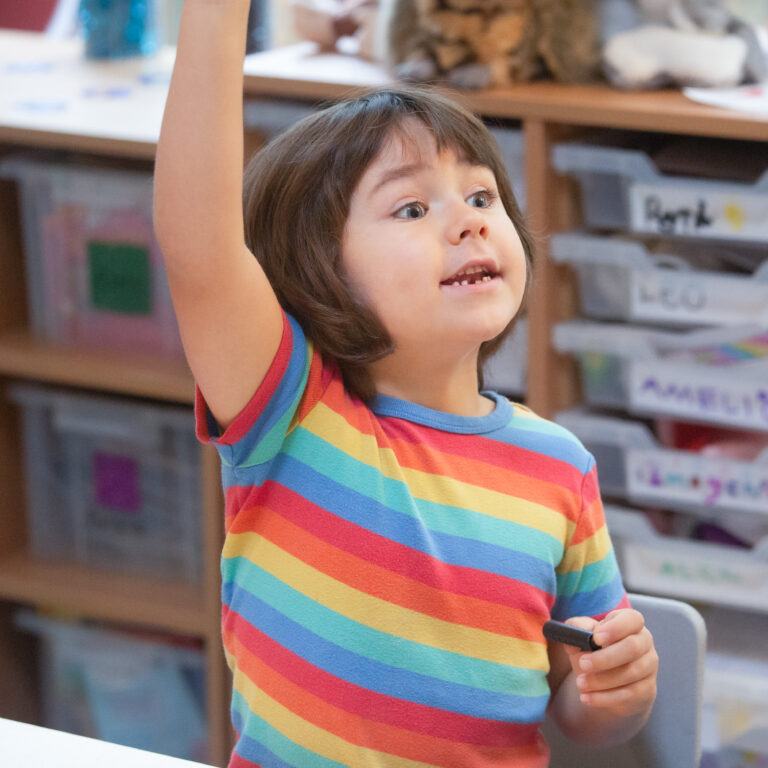
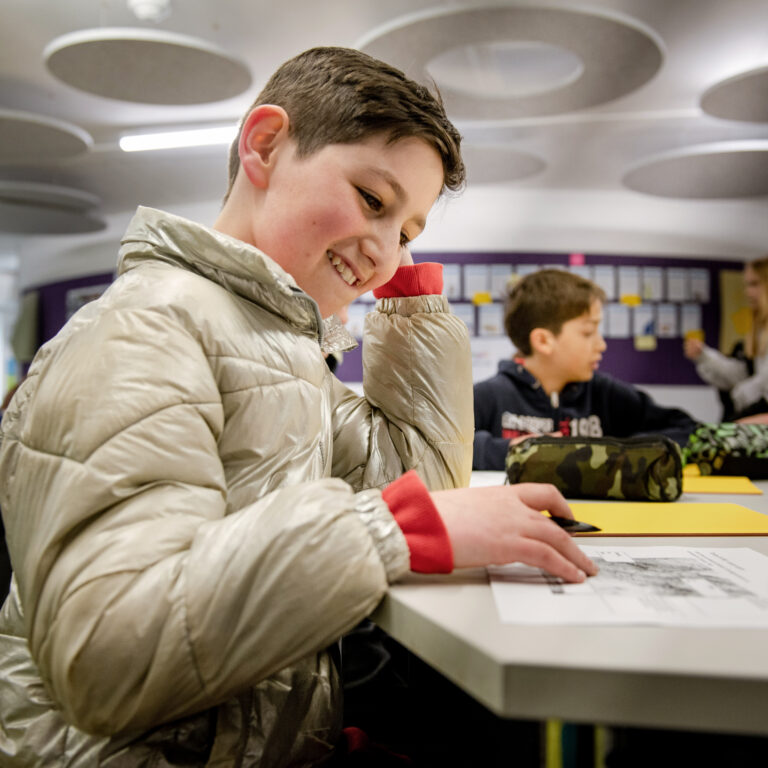
The report focuses on belonging being shaped by teacher-student relationships, peer acceptance and inclusive school environments. At The King Alfred School, our teacher-student relationships are central: all our teachers are called by their first names, which creates a connection and a sense of mutual respect unlike any I have seen before. However, the sense of belonging between students and teachers is really enabled because we ensure that our teachers themselves feel a sense of belonging to our community. We do this through induction processes, through intentionally developing an inclusive staff culture and through treating every member of staff as an individual. As a result, our staff can really be themselves. The authenticity they bring to the classroom gives our children the permission they need to be their whole selves too, to feel seen, known and valued for all that they are. Our lack of uniform, for children and adults, means that authenticity is right there as a visible marker of who we are and what we stand for. The final thing that we do to facilitate such a strong sense of belonging is work closely with our parent community: if families feel that they belong to this community too, that sense of deep connection is both strengthened and longer lasting.
Tending to the sense of belonging across our community is something that needs to be returned to, intentionally, year on year. We have long known that the strength of this belonging has set our students up brilliantly, as people, to step out into the world; it is powerful to understand too the impact that this also has on academic outcomes. As a school founded on the imperative to share practices with other schools, we look forward to contributing to the work that needs to be undertaken to develop even stronger school communities so that all children can achieve and thrive.