



Greece trip inspires future studies – and travels
4th May 26
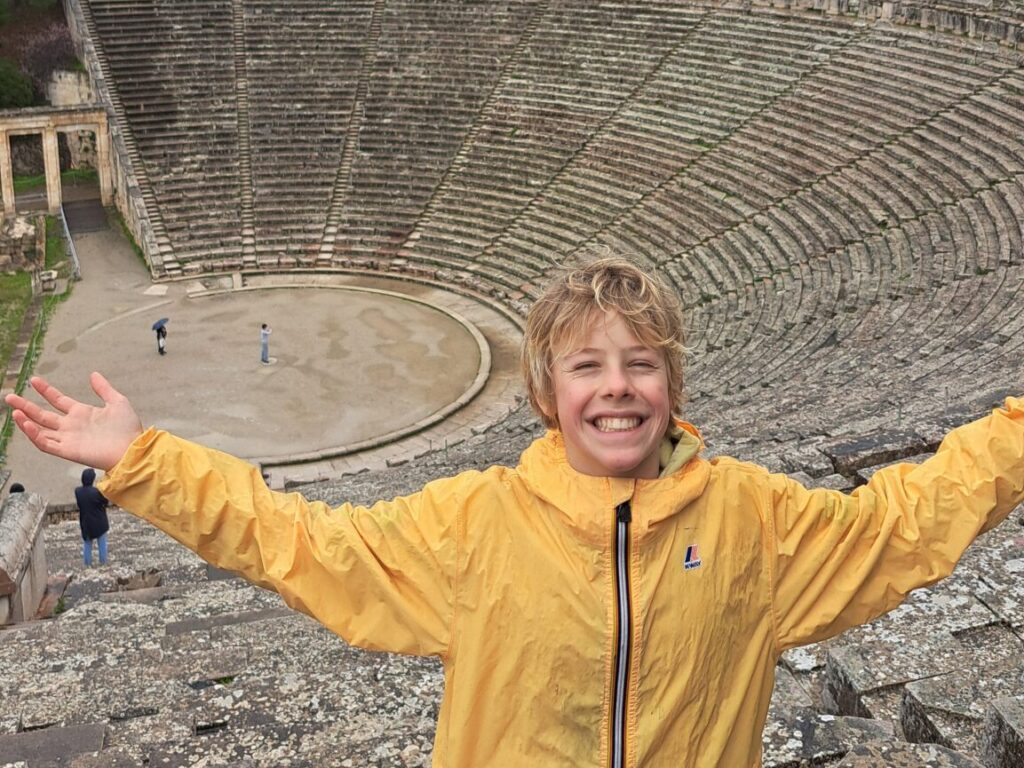
Earlier this year, students took part in a rich and memorable educational visit to Greece, exploring some of the most significant archaeological sites and cultural landmarks of the ancient world.
The trip provided invaluable context for GCSE studies while inspiring curiosity, reflection and a lasting appreciation of the ancient world – both for those studying Classics, and those who simply hold a keen interest in Ancient Greece.
“The trip was excellent,” shared Inigo W (Y9), who plans on taking Classical Civilisation GCSE in Year 10. “Getting to see where things actually happened rather than just learning about them was so useful.”
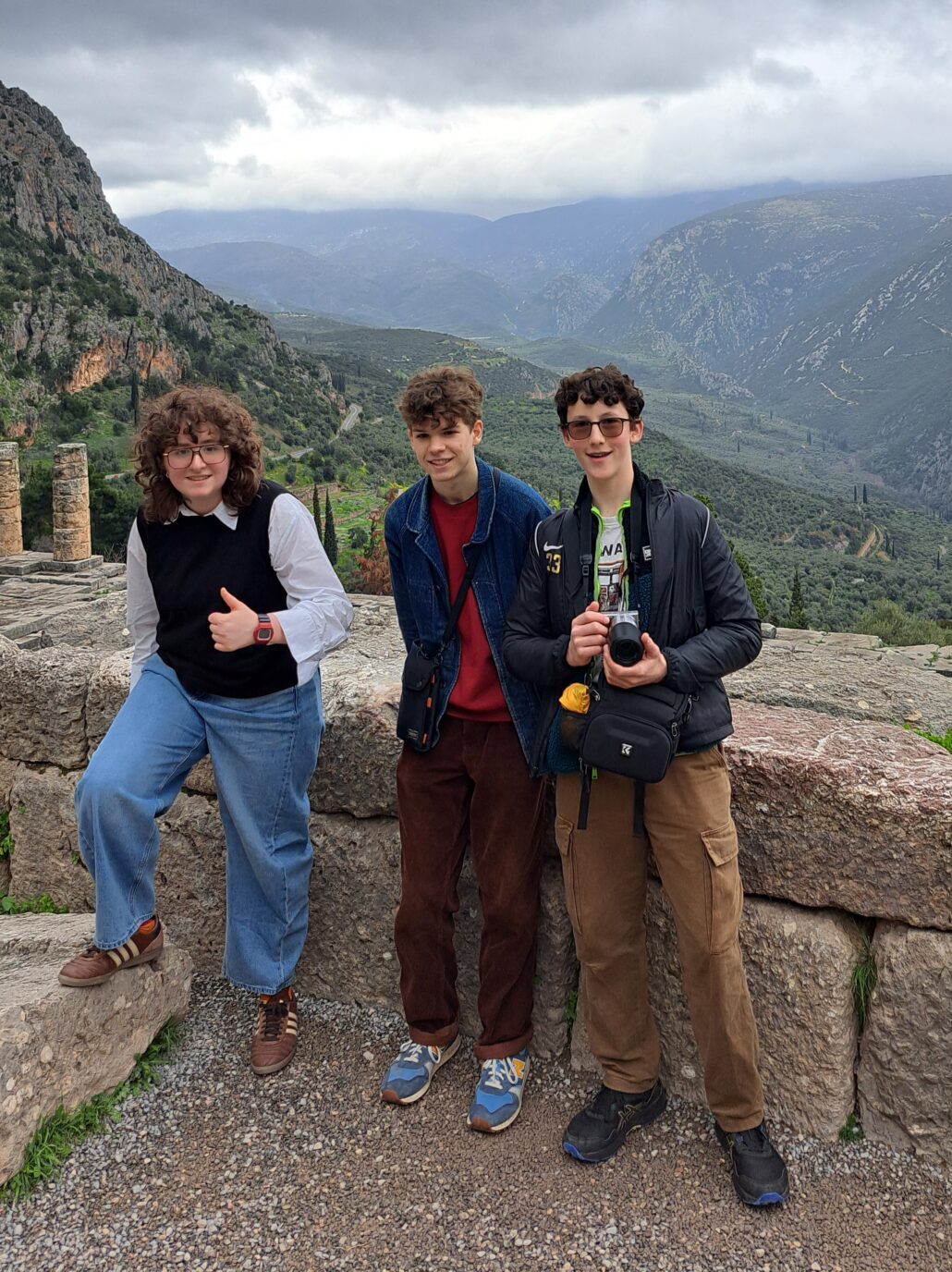
Viewing the mountains of Delphi was his personal highlight. “They were incredible. The trip has inspired me to go hiking there when I take a gap year!”

Highlights of the Greece trip
On arrival, students spent a night in Athens, before enjoying the following sites and sights across Greece:
Day 2: Mycenae, Tiryns, Epidauros
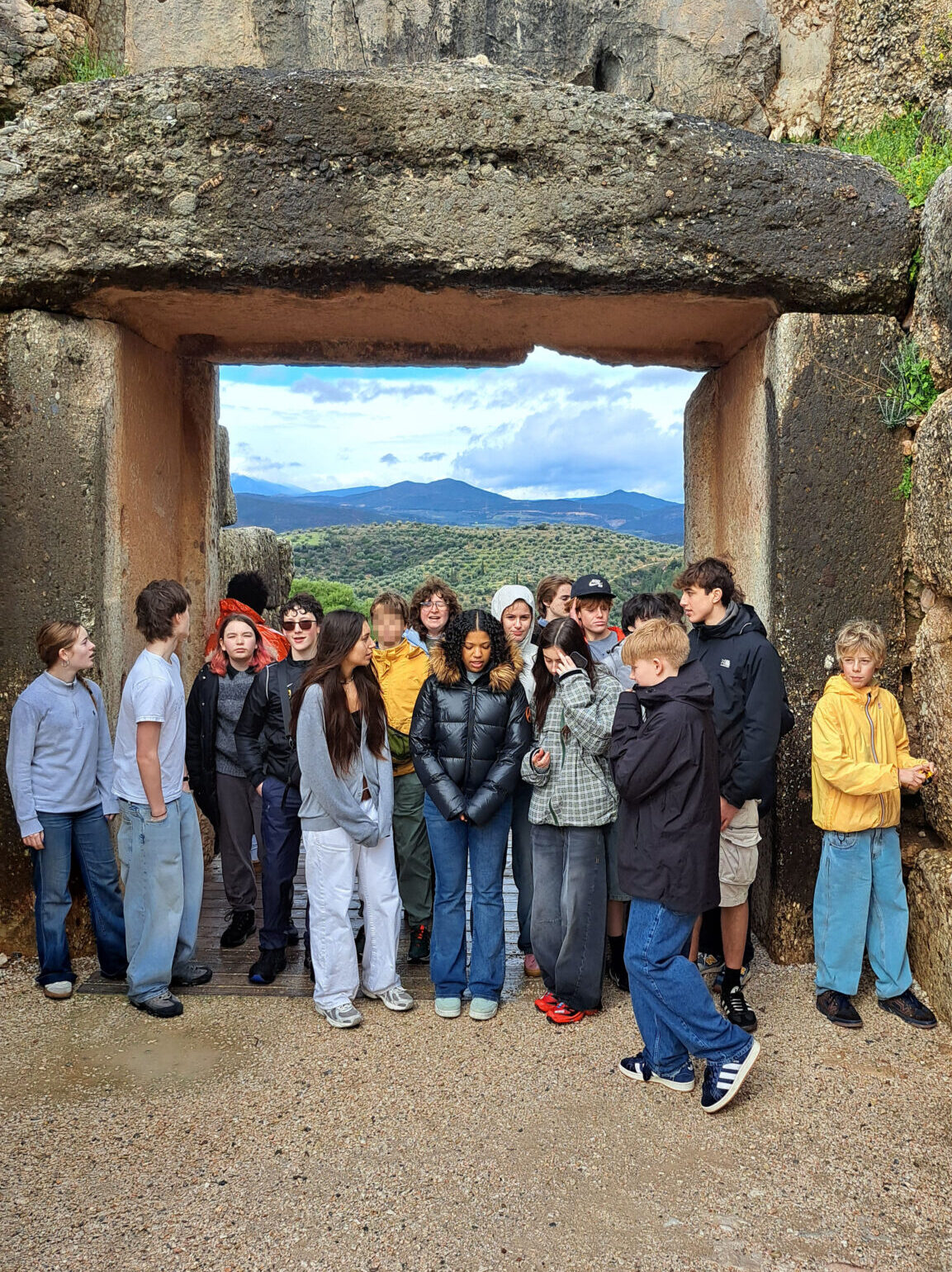
Travelling through the Peloponnese and central Greece, the group visited the mighty Bronze Age citadel of Mycenae, home of the legendary King Agamemnon, and explored its famous Lion Gate and monumental tholos tombs. Nearby Tiryns offered insight into Mycenaean military architecture, with its vast Cyclopean walls and mysterious underground galleries. At Epidauros, students experienced one of the best‑preserved ancient theatres in the world, renowned for its extraordinary acoustics and its role as a healing sanctuary to Asclepius.
Day 3: Corinth and Nafplio
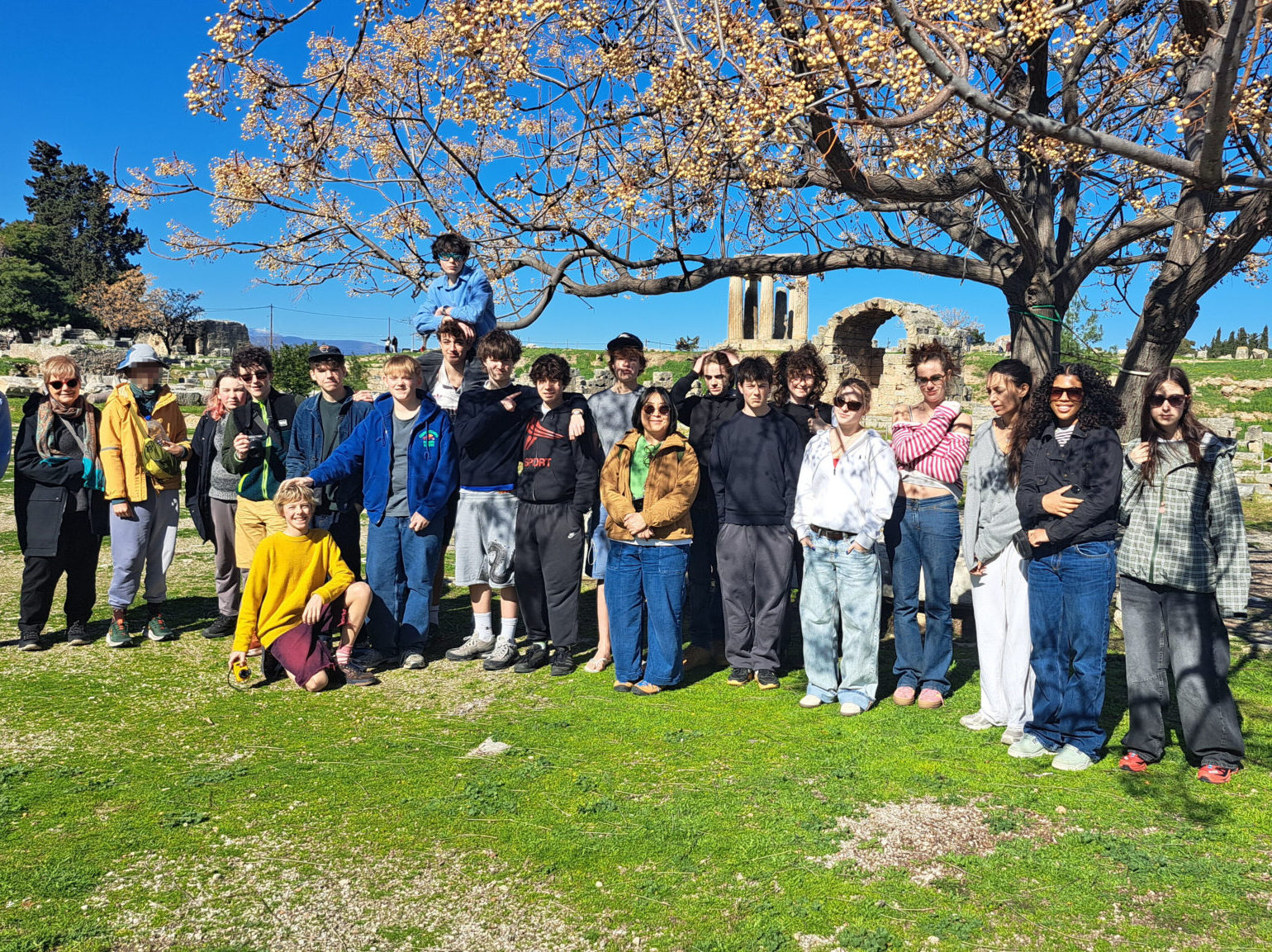
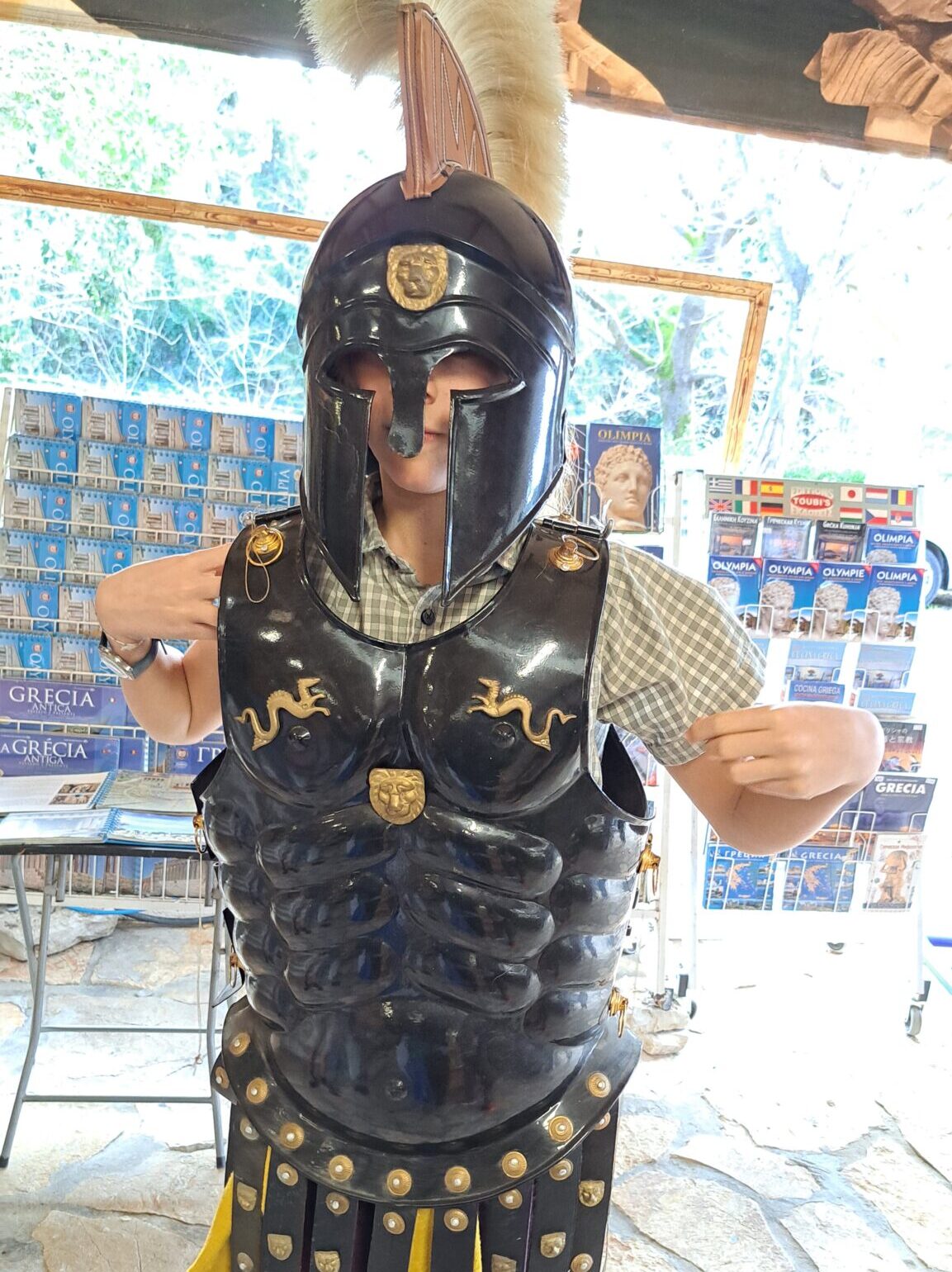
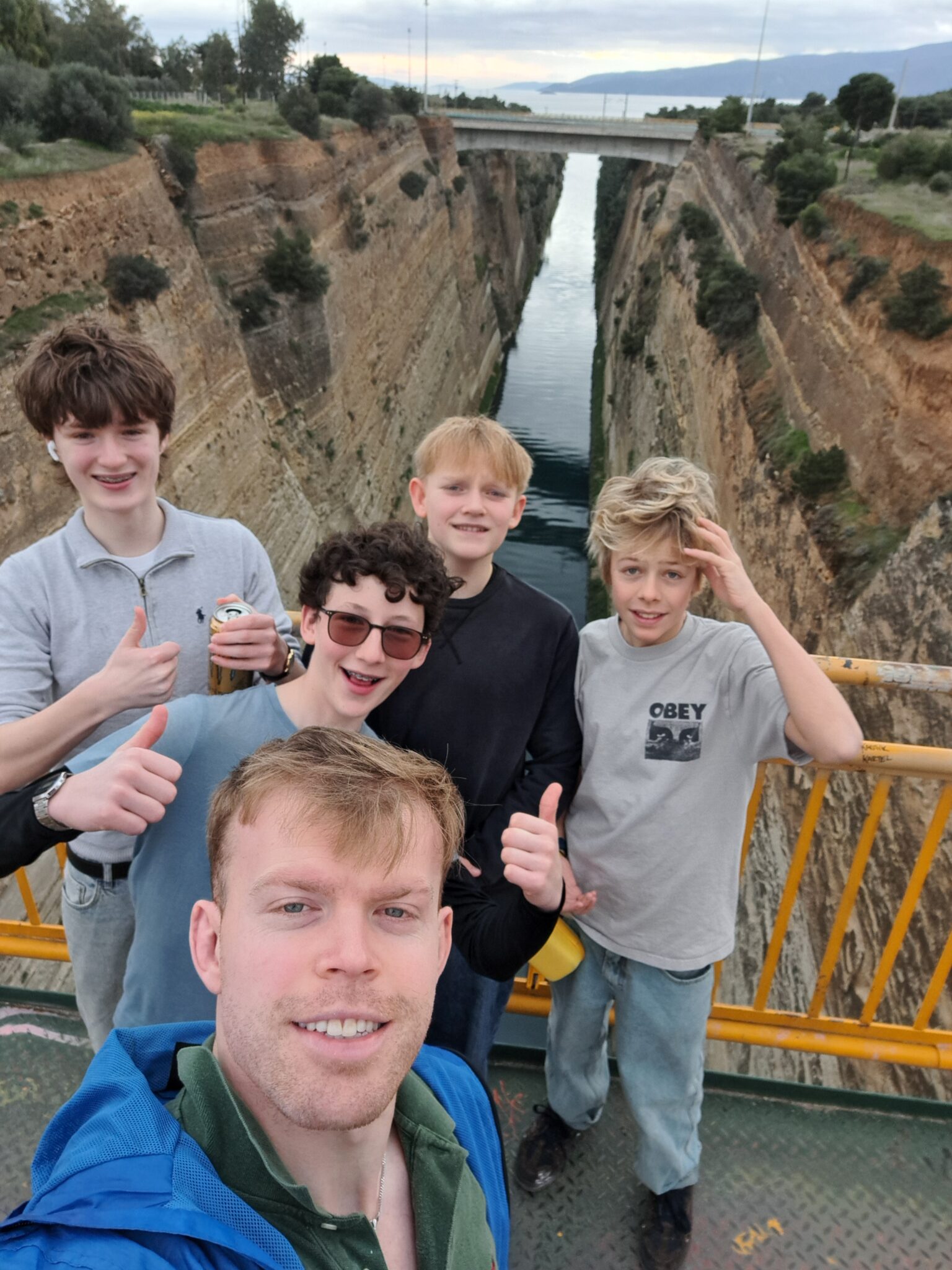
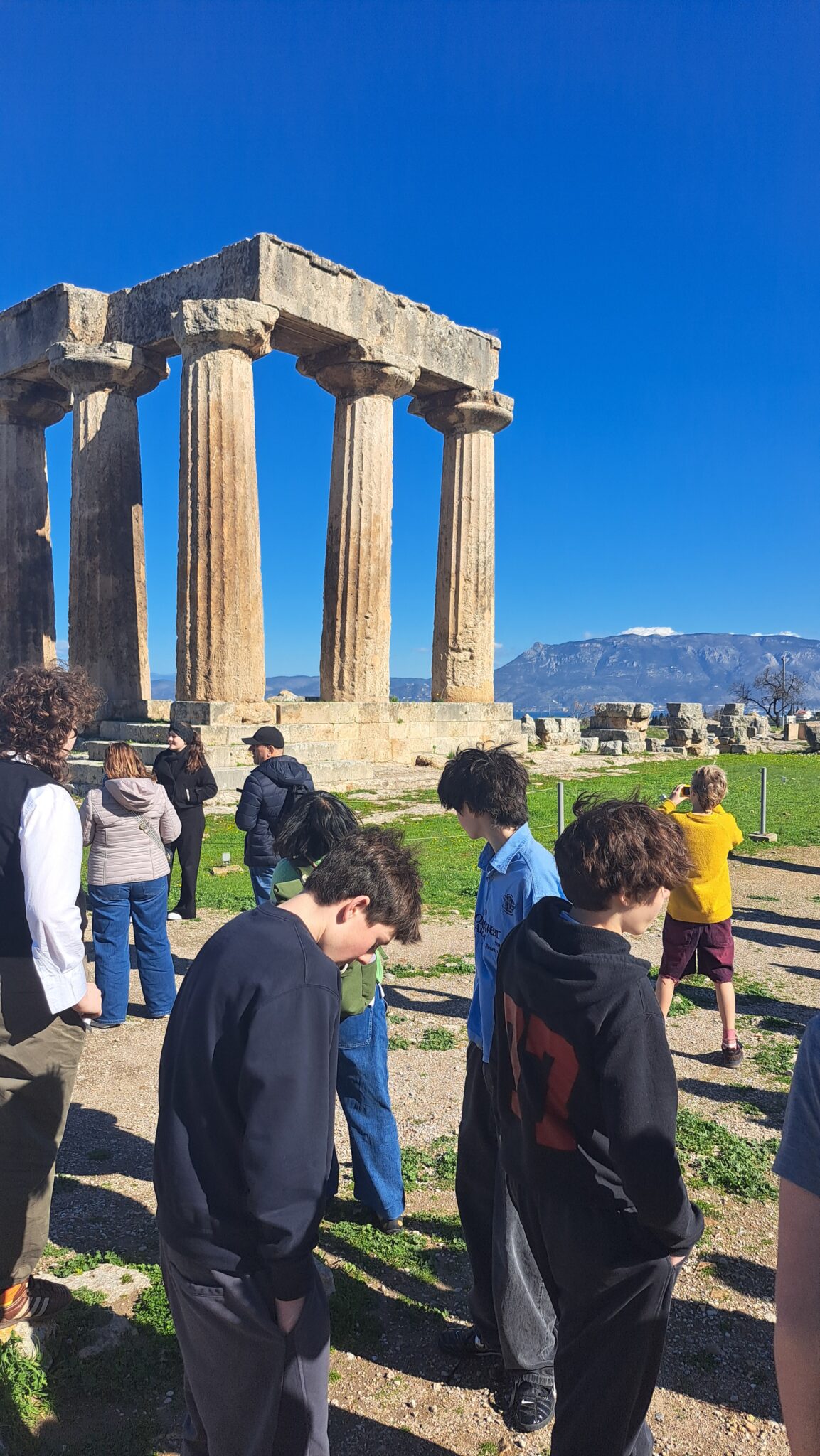
The itinerary also included Corinth, overlooking the dramatic canal linking mainland Greece to the Peloponnese, and the picturesque town of Nafplio, where students encountered the remarkable Dendra Panoply, Europe’s oldest known suit of armour.

Day 4: Olympia
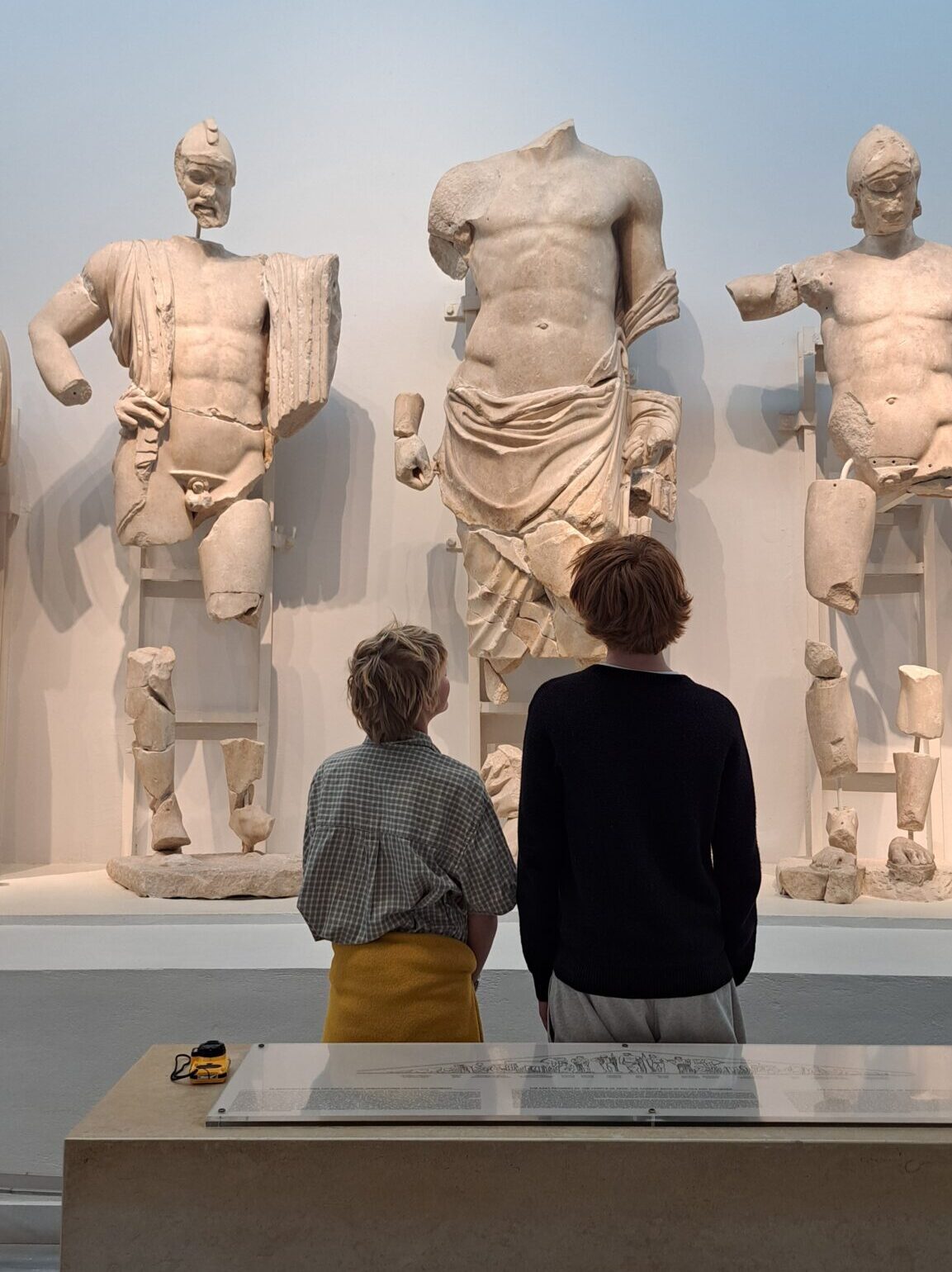
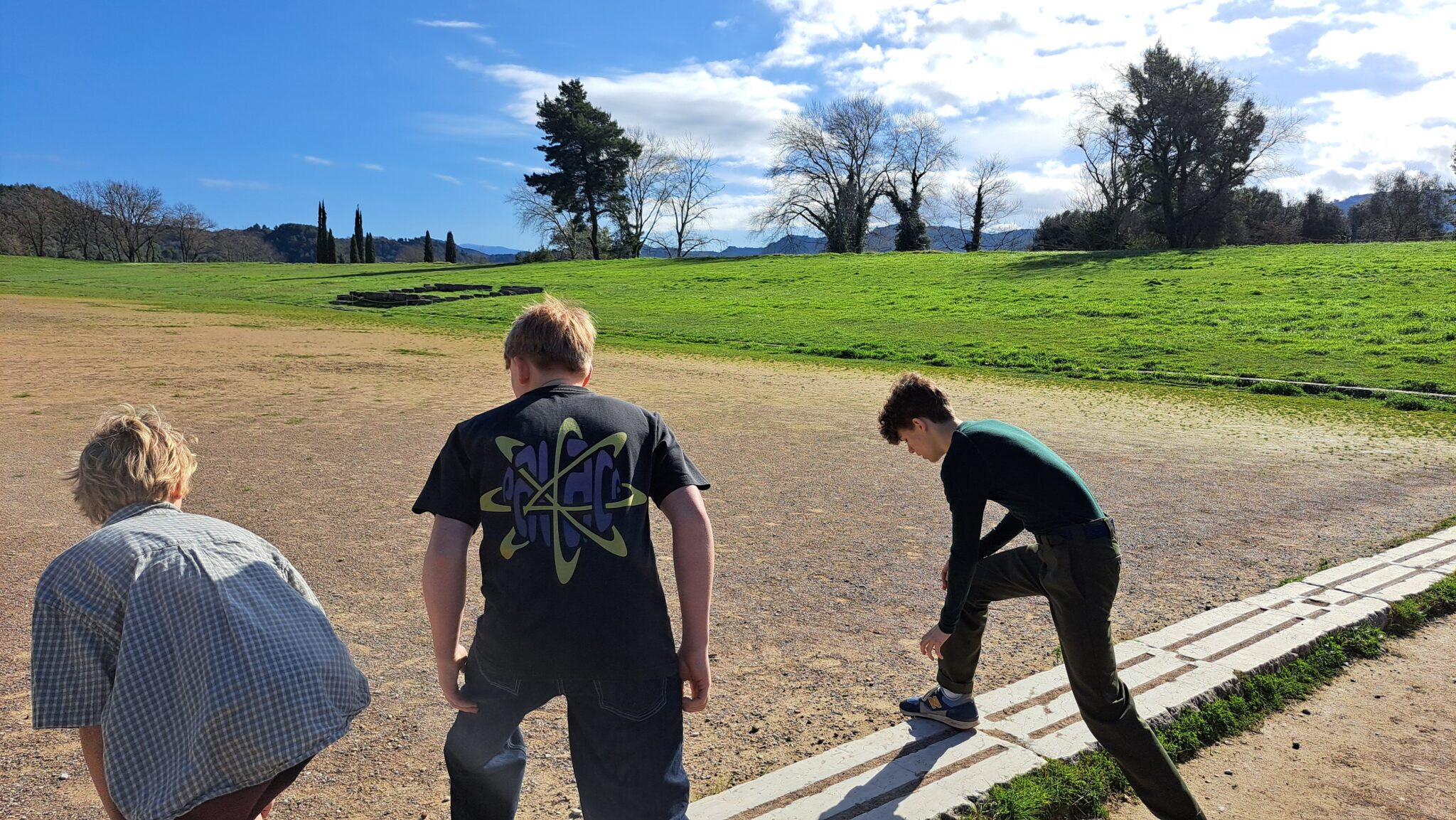
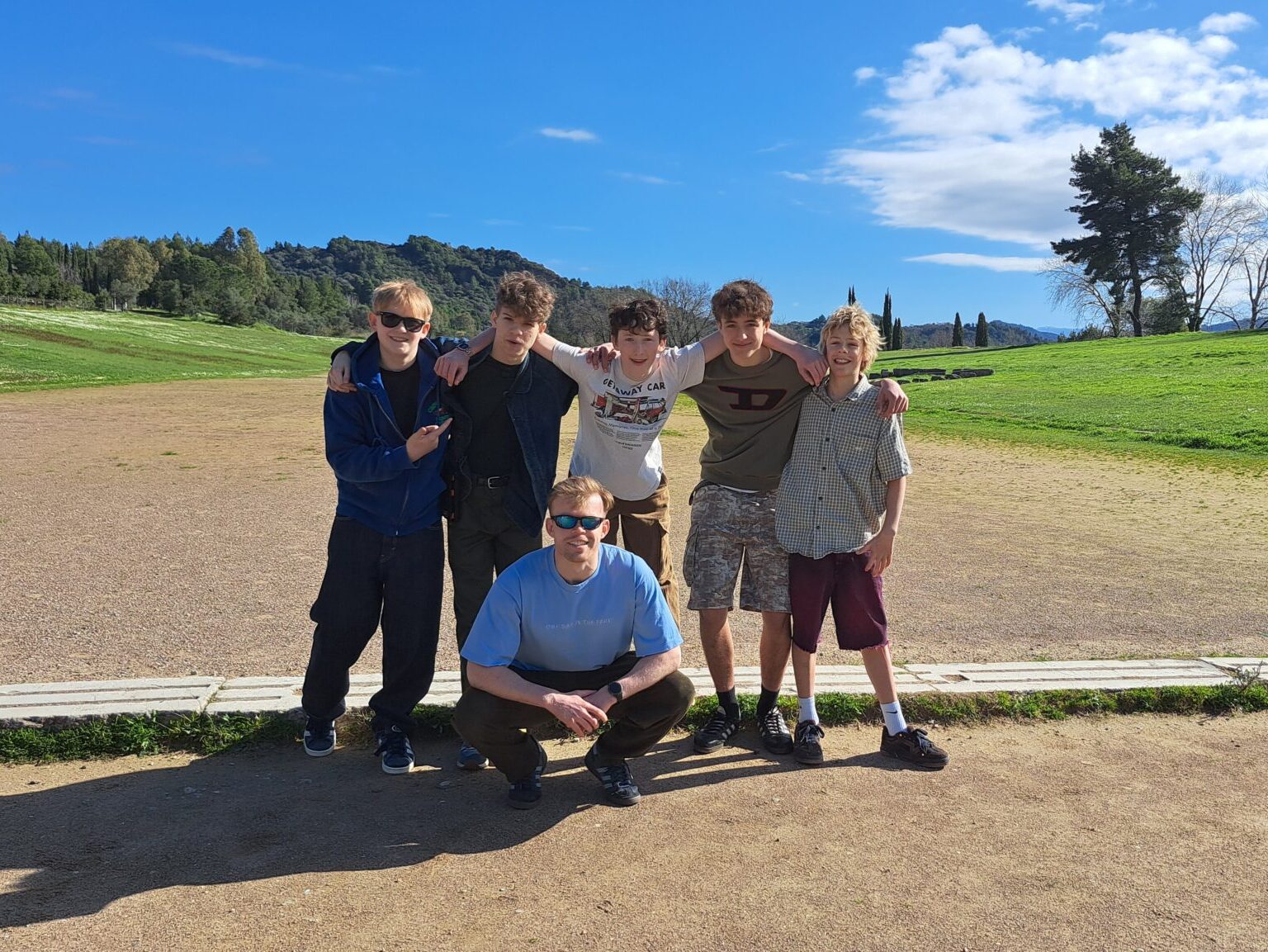
A highlight of the journey was Olympia, the birthplace of the Olympic Games, where the group explored temples, athletic spaces and museum artefacts connected to Greek religion, sport and mythology.
Day 5: Delphi and Eleusis
In Delphi, one of the most important sanctuaries of the ancient world, students walked among the ruins of Apollo’s oracle and learned how its prophecies shaped key historical decisions. A visit to Eleusis introduced them to the myth of Demeter and Persephone and the secretive Eleusinian Mysteries, deepening their understanding of ancient Greek beliefs about life, death and renewal.
Day 6: Athens
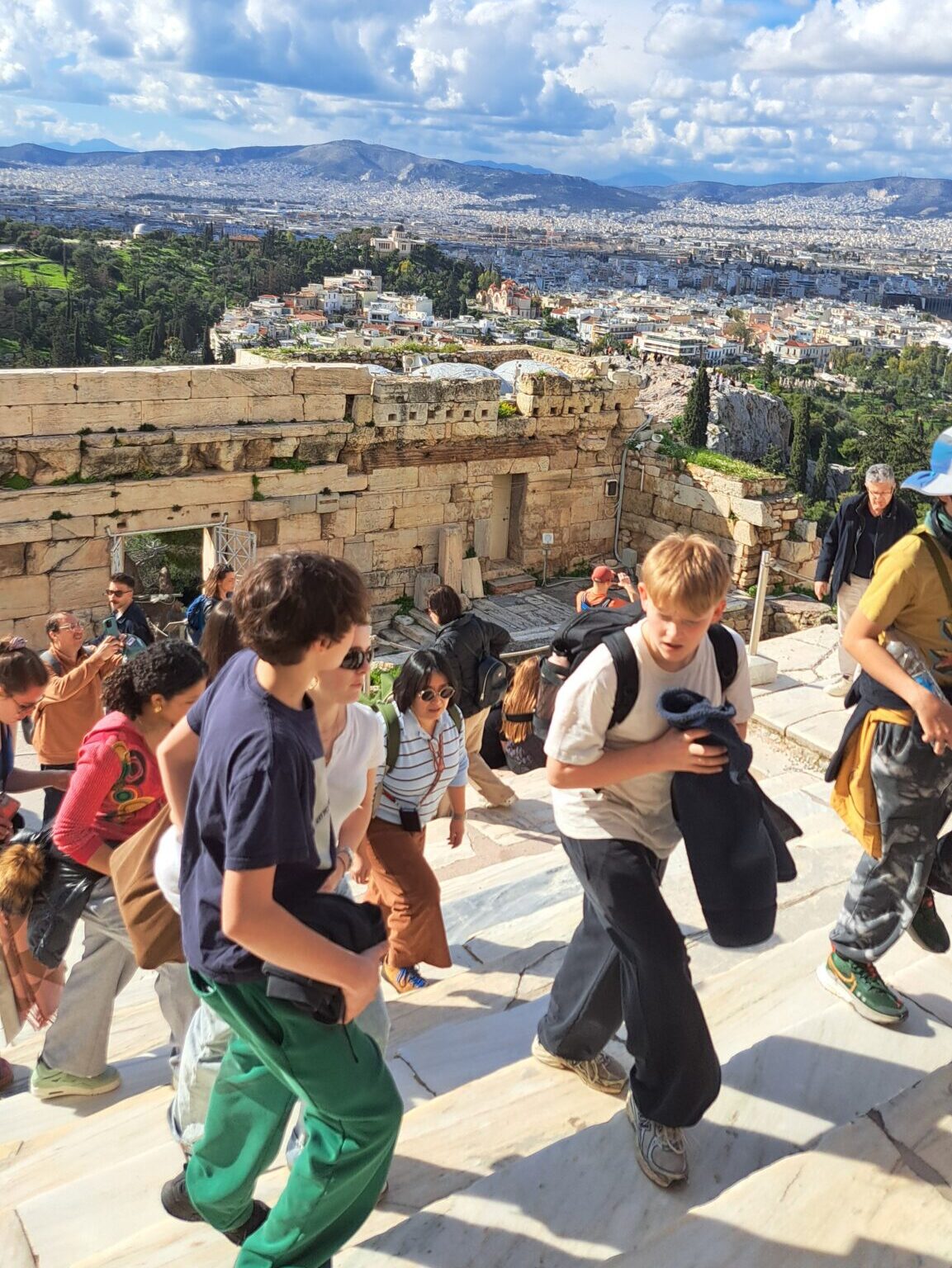
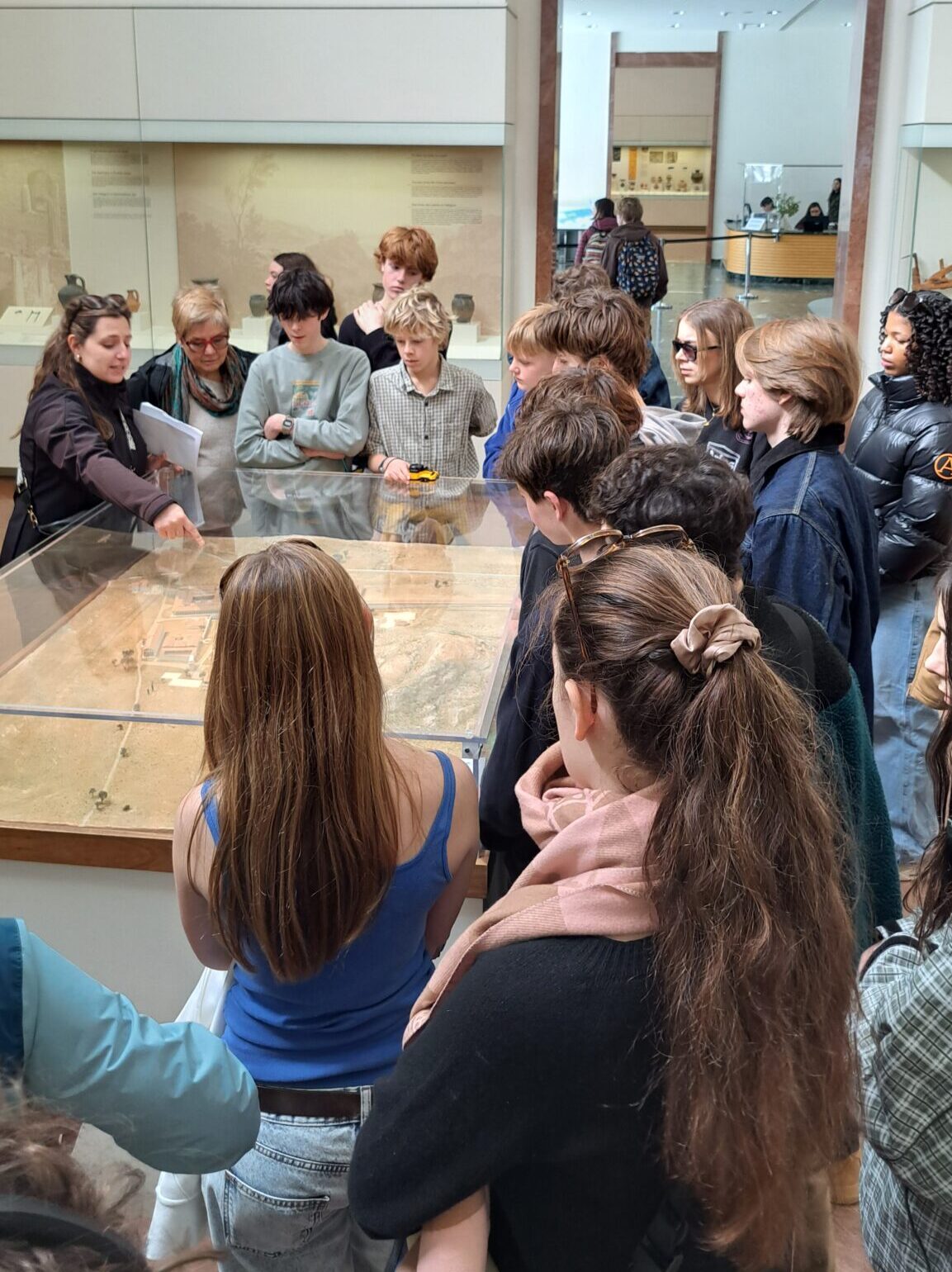
The trip concluded in Athens, where students visited the National Archaeological Museum, the Acropolis, and the Acropolis Museum, encountering many iconic artefacts and monuments studied throughout the course, including the Parthenon and its sculptural decoration.
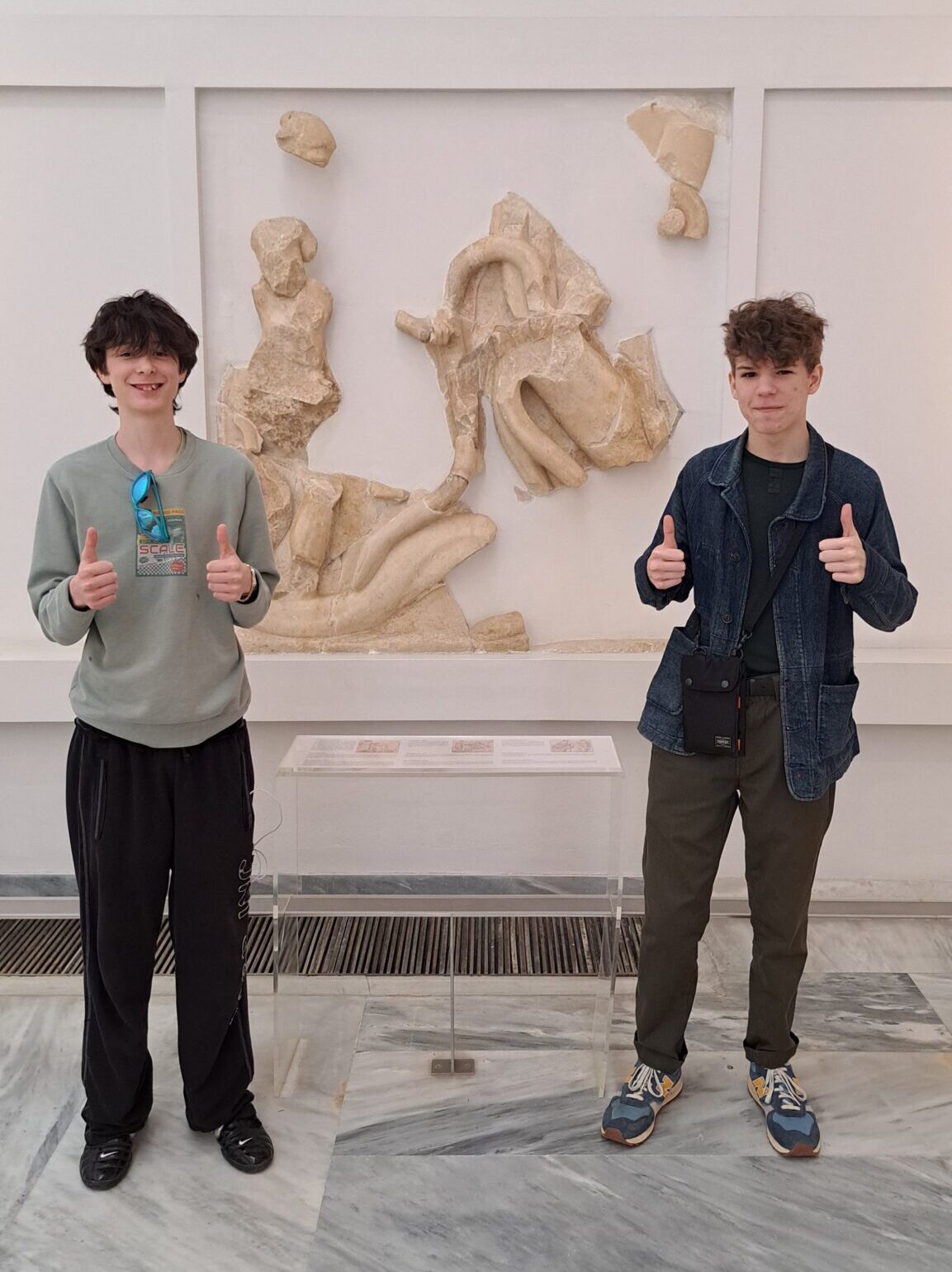
Take a look at more pictures from the Greece trip below. Read more about educational trips at KAS on our Upper School co-curricular page.


 We’re delighted to be welcoming prospective families for visits this November.